
Why Virtue Still Matters with Michael Penn

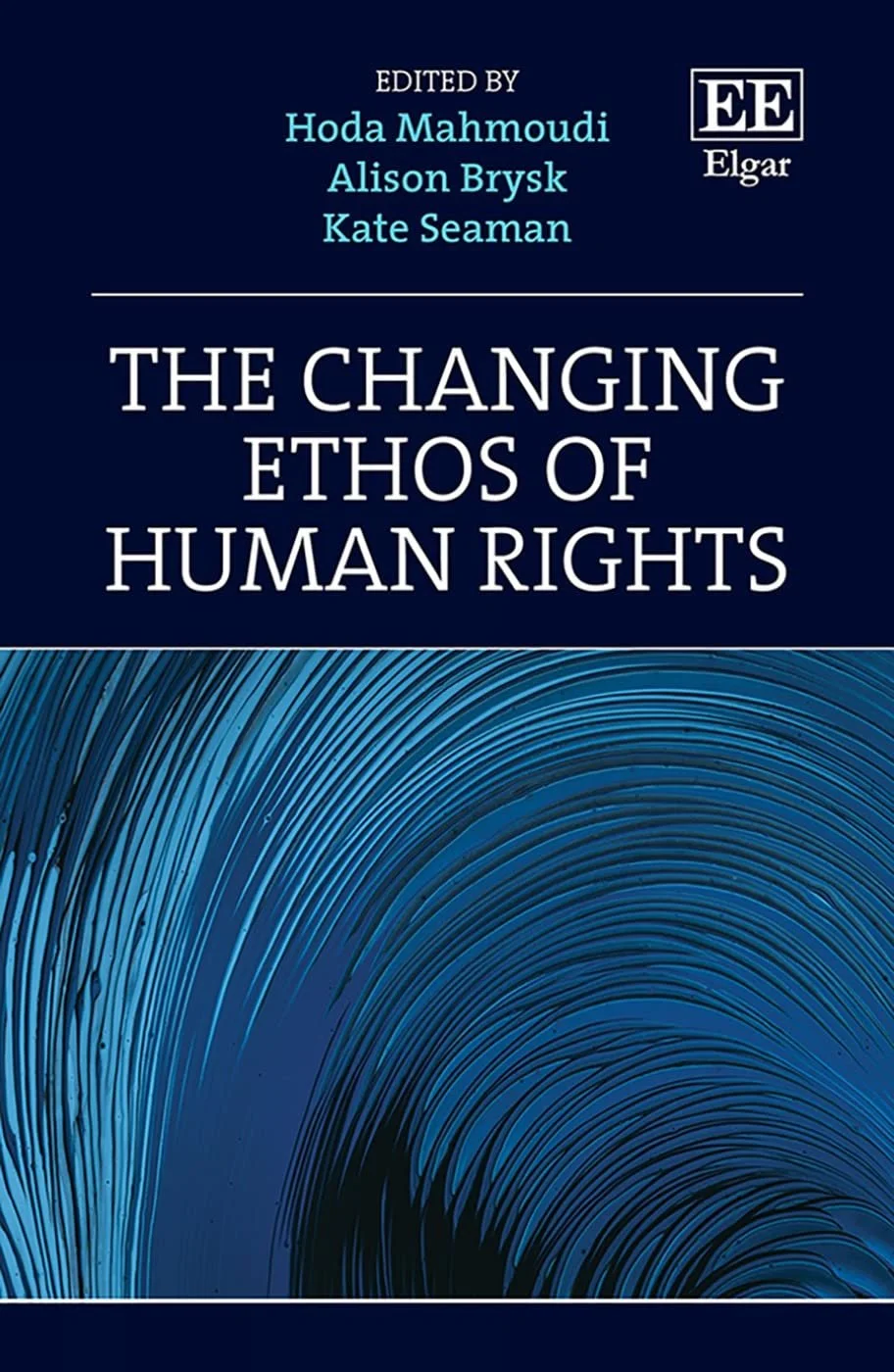
Michael Penn’s chapter, “Values and Human rights: Implications of an Emerging Discourse on Virtue Ethics” in the volume The Changing Ethos of Human Rights, captures the subtle and not-so-subtle changes in the ideals, principles, and practices of human rights over the last 5 millennia. His chapter provides a brisk and colorful snapshot of how the ethics of human concern have always been in motion and what the still-going trajectories say about human development, human philosophy, and perhaps most importantly, the very notion of humanness itself.
Penn begins his chapter by traveling back to the great exemplars and scholars and students of the human condition – the Greeks, with Aristotle as a leading figure. Aristotle’s vision of virtue ethics was predicated on the notion that there indeed existed a Good, and that the role of political considerations was to inculcate virtue and provide a moral education for citizens. For Aristotle and early Greek thinkers, Professor Penn explains, philosophy and society should be concerned “with moral selves, as opposed to moral laws”. Penn goes on to explain how until relatively recently, considerations of human rights and moral philosophy were growing more cartesian, material, and utilitarian in their focus – emphasizing rights, property, boundaries, and resources. But new, modern considerations abound. Dr. Penn shows how scholars like Amartya Sen and Martha Nussbaum are combining ancient conceptions of humanity with feminist, indigenous, and pluralist conceptions of human life and human possibilities that ground a vision of humanness in a practicable moral universe under a framework of care, justice, and patient practice. These scholars, and many more besides, are seeking to connect internalizing moral predicates to an archive of successful, caring actions that creates realms of the possible, or what Professor Penn refers to as “the cultivation of human possibilities”.
Dr. Penn begins his chapter by discussing the ages-long exclusion of what are properly known as virtue ethics, kept out of the public sphere for so long “because virtues are generally thought to be private matters that animate the lives of individuals and are thus outside the scope of human rights theory and practice.” He discusses how this unfortunate approach can even be found in many of the founding documents of Human Rights, including the Universal Declaration of Human Rights and the Geneva Convention. These approaches tend to focus on either a sense of duty – deontology – or an appeal to the greatest good – utilitarianism. While Penn is careful not to fully reject such treatments, he draws attention to their shortcomings; neither approach truly gets to the heart of the matter, which is how to shape the internal vectors of inward morality, ethics, and spirituality.
For Penn, channeling Aristotle, moral education is “the primary purpose of the political community.” Laws and regulations, however well-intended, cannot inspire a robust, efficacious plan for the protection and enshrinement of human rights. Though they may function as helpful boundaries, laws themselves are reactionary, built to protect and contain, not to stir the moral imagination towards new possibilities. Judges, who write laws, are only able to adjudicate upon “cases and controversies”; they are barred from wading into the deeper waters of legal and moral consideration. And of course, the darker side of this truth is the painful acknowledgment that laws themselves are powerless to stop the most repugnant human behaviors – they are only able to punish such behaviors through isolation or imprisonment. Put into plain language, the law can be an effective surgeon, but it is not in the business of creating a healthy body politic.
Professor Penn then details how such limitations have inspired key figures like Amartya Sen and Martha Nussbaum to look elsewhere. He notes how the Nobel Laureate Sen’s focus on stimulating human capabilities draws humanity closer to the mysterious inward worlds, positions, temperaments, and tendencies critical to human civilization. He also notes how Nussbaum’s work on the pragmatic, universal application of what she calls the “central capabilities” of human flourishing (which include ideas like bodily integrity, control over one’s environment, and freedom of attachment) touches upon a deeper humanity. Both scholars, Penn argues, offer the assuaging balm of ancient paths within modern frameworks that takes the complexities of daily life into consideration.
Dr. Penn’s essay concludes with several positive, hopeful examples of these new approaches to human care. He describes the John Templeton Foundation, which provides grants to scholars “who are seeking to advance human well-being by undertaking research on the ‘big questions’ of life and by promoting the development of character.” He also describes the work of High Resolves, an Australian-based program that has already worked with 200,000 high school students. Its founder has stated that “Moral education is what is required to ‘immunize’ us against the blind prejudice that feeds human unkindness, and leads to human atrocities.”
Though Michael Penn is careful to trace humanity’s long slide away from the inward considerations of virtue, he is equally careful to archive the new scholars, thinkers, and practitioners who are implementing such approaches all over the globe. He argues considerations of virtue are the axiomatic predicates to true forms of human flourishing – the foundations upon which a successful humanity can be built. His timely chapter is an apt reminder of the great stakes humanity faces in its fight for peace, and the helpful recipes and approaches for peace which have proved true for millennia.
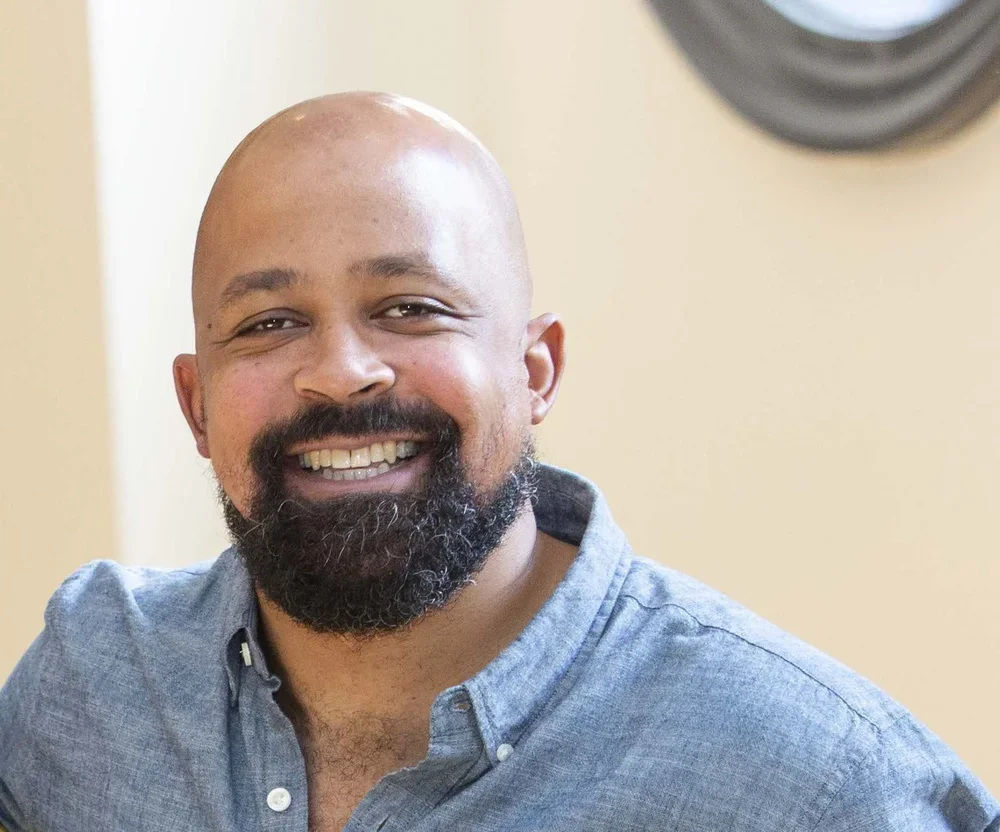
Malik Wilson is a Faculty Fellow at the Bahai Chair for World Peace at the University of Maryland. He works closely with Dr. Mahmoudi in matters relating to editorial concerns – publications, speeches, and publishing.