
Justice as Peace: The Legacy of Black Women Activists

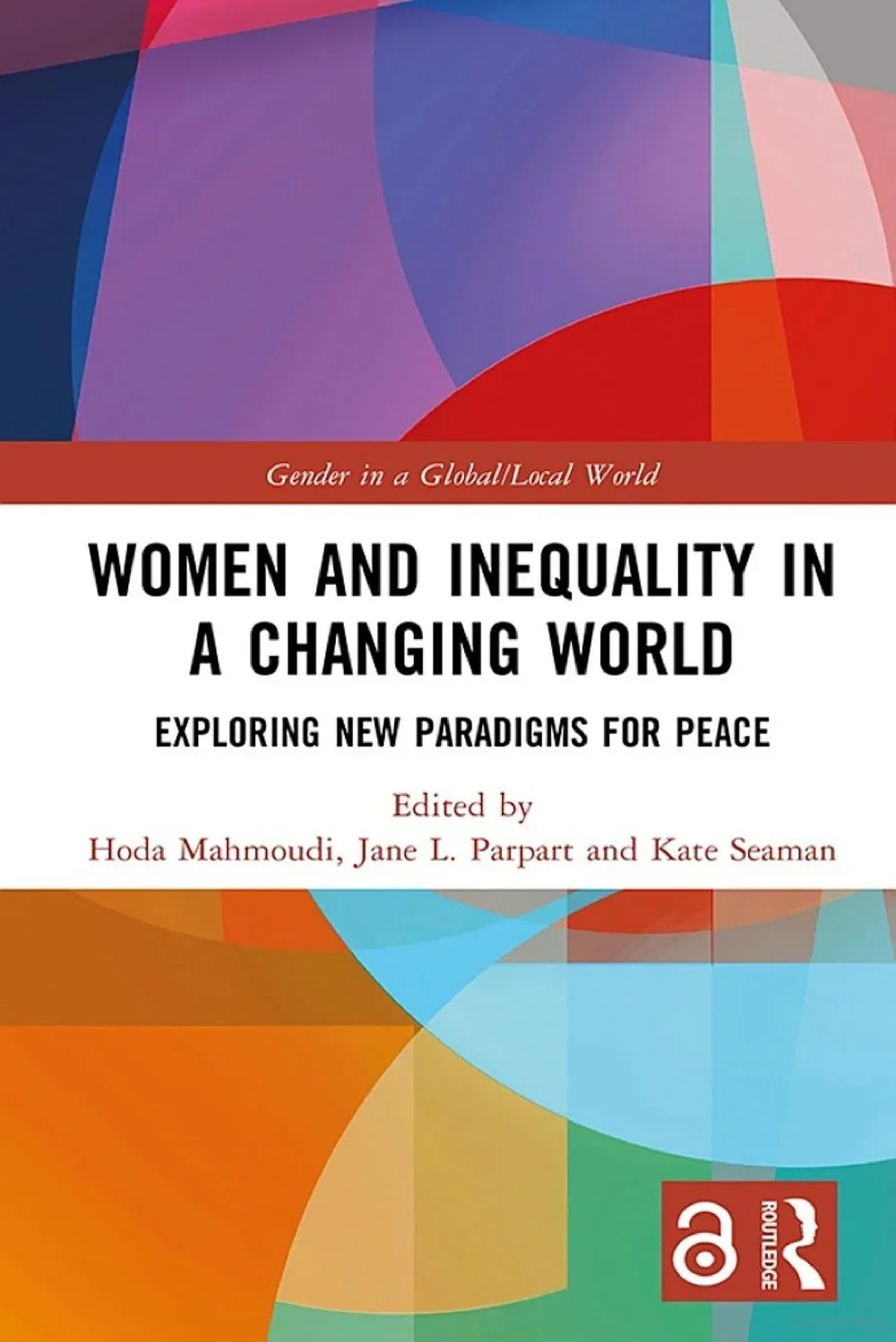
Brandy Thomas Wells’ excellent chapter, “African American Women’s Enduring Commitment to an Intersectional Peace”, in the Women and Inequality in a Changing World: Exploring New Paradigms for Peace tells the remarkable, lesser-known history of Black female peace activists. While some of these women, like Mary Church Terrell, may be well-known to students and scholars of African American history, others, including Mary Burnett Talbert, Charlotte Atwood, Mary Fitzbutler Waring, and Addie Waites Hunton are perhaps not as well known. Dr. Wells inclusion of these important activists, and her historical retelling of their important work, highlights the fact that for every well-known Black laborer and activist, there were many more who worked diligently in pursuit of noble goals.
These fascinating stories detail what should be obvious to us all – that Black women, like other women, care about world peace and have worked in organized ways to achieve that end. But what Dr. Wells subtly shows is how the double inheritance of womanhood and blackness shaped how people responded to such efforts, which in turn shaped Black women’s philosophies, principles, and tactical approaches.
Wells highlights the presence and contributions of Black peace activists since the very start of the movement, which began with the formation of the Women’s Peace Party (WPP) in 1915. From the start, the WPP argued that women played a key role in society and had a unique ability to stem corruption and disorder. Wells states that Black women peace activists argued similarly, while further contending that they “had much to share with and teach their colleagues…it was precisely because of their status that they could understand and advocate for fuller peace.”
Wells also celebrates the temperament and tenacity of those, who from the earliest days, toiled alongside white women and other women for the universal goal of peace. Wells reminds us that: “Even when disappointments over segregation, racism, and narrowly conceived agendas frustrated their work, Black women remained steadfast in their commitment to ensuring peace and security.” She later suggests that the ability to carry on so long, despite middling progress, was rooted in a far-reaching vision and an active moral imagination – Wells presents African American women peace activists moving steadily and surely towards a coherent, noble vision.
Wells notes however that from the beginning, Black women brought a unique perspective to the table. Many, in addition to pursuing a global peace, “insisted on the centrality of justice, freedom, and equality.” For them, their experiences as minorities in a colorized world led to the conclusion that “peace was not simply the absence of direct violence but the presence of justice” – an enduring ideal central to the Baha’i Chair’s activities. Wells goes on to argue that these early African American women were seeking what is today called ‘positive peace’ – working towards ending war while also addressing the systemic causes that lead to conflict.
Yet like all groups, Black women’s views were not monolithic and not always easily describable. They had complicated, though fascinatingly parallel views about patriotism and participation in war that followed larger African American notions of national pride, the desire to prove oneself to the country, and even a firm belief that the lofty rhetoric of war’s freedom might extend to them. Thus while deploring war’s atrocities, many African American female peace activists supported Black troops’ participation in European theatres of war. Indeed, one can see this ongoing tradition in the military today, where Black participation is more than double its population – roughly 20% of the U.S. Armed Forces. Indeed, Mary Burnett Talbert and Addie Waites Hunton worked as nurses in World War I while simultaneously fighting to include notions of justice in postwar efforts. Terrel herself was a key participant in postwar peace discussions and conferences, including one in Zurich in 1919. There, she gave two speeches, imploring those gathered to consider racial minorities within their countries, arguing that “lasting peace is impossible as long as the colored races are subject to injustice.”
Professor Wells traces the development and continuance of Black women’s peace efforts during the post-World War I era and into the 1930s and the Great Depression. She shows how in matters both subtle and unsubtle, key disagreement between Black and white groups spurred the continued and refocused efforts of Black women’s peace groups, and how peace became intertwined in the activities of wany African American civic groups.
In the lead up to World War II, Black women were again at the forefront of peace efforts. Indeed, a statement from the National Council of Negro Women, written in 1938, expressed sympathy for the plight of German jews, arguing that “as members of an oppressed group in the United States of America, we sympathize with the Jewish minority group in Germany as can no others.” As World War II began, Black women were a major part of the “Double V” campaign championed by many African Americans – victory over fascism abroad, and victory over racism at home.
The peace efforts of African American women continued after World War II, even as it changed in response to the times. From the earliest days of the United Nations for instance, Black women celebrated the group’s causes while fighting to have a seat at the table. And as the American/Russian alliance grew cold in the post-war era, Black women peace activists were involved in moderate, rightist, and leftist critiques and claims. During the 1960s and 1970s, as momentum increased for intersectional, international groups that addressed the link between women’s equality and peace, Black women were again at the vanguard. Wells even traces the efforts of Black women peace activists during the modern Black Lives Matter movement and efforts to discuss discrimination and police violence.
Dr. Wells concludes her riveting chapter by drawing attention to two key takeaways that encompass the previous 100 years of African American female peace activists. The first is the long tradition of positive peace, that is, seeking not only the absence of war but the presence of justice. The second is the still ongoing struggle to affirm the views and critiques of Black women – views central to our understanding of peace. It is this latter struggle that continues, Professor Wells argues, and must be considered a key prerequisite for global peace.
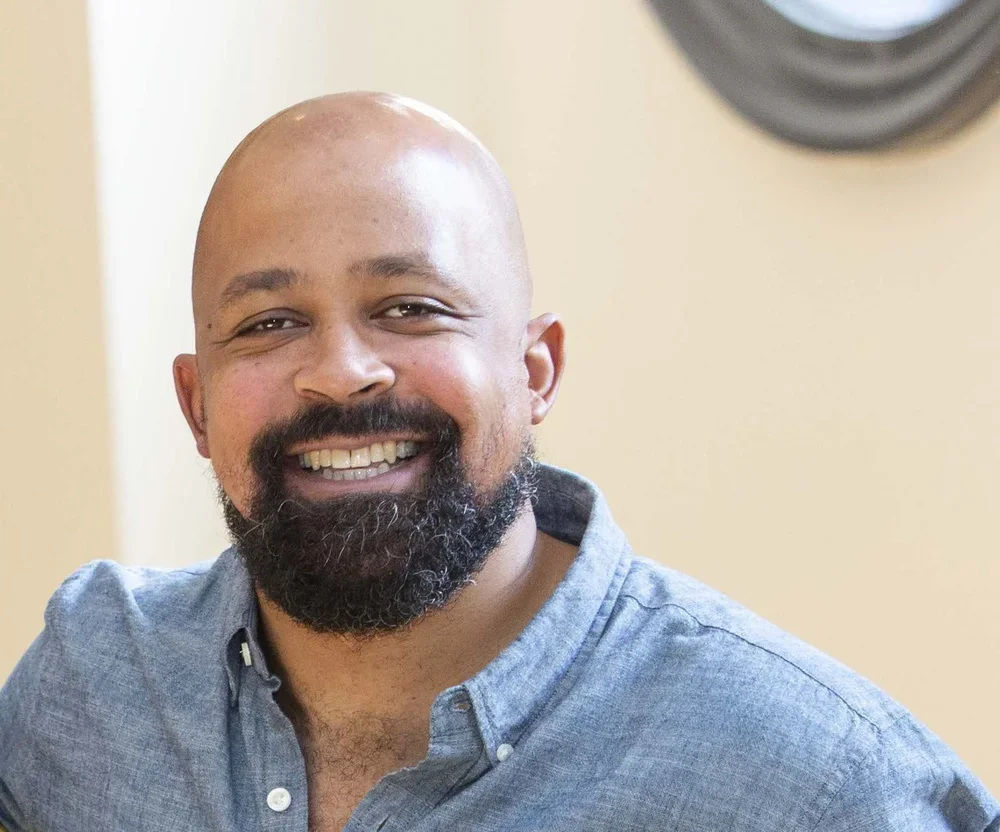
Malik Wilson is a Faculty Fellow at the Bahai Chair for World Peace at the University of Maryland. He works closely with Dr. Mahmoudi in matters relating to editorial concerns – publications, speeches, and publishing.