
Care in a Digital World
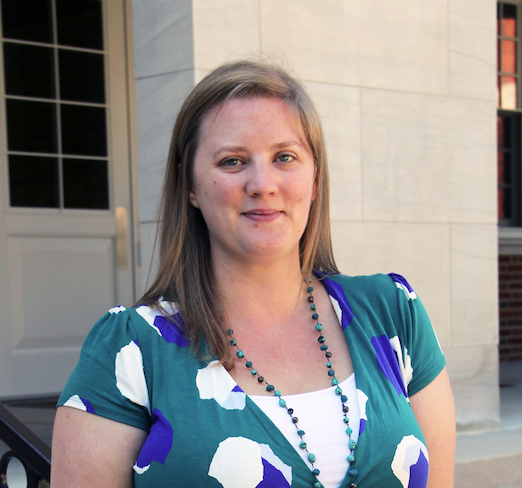
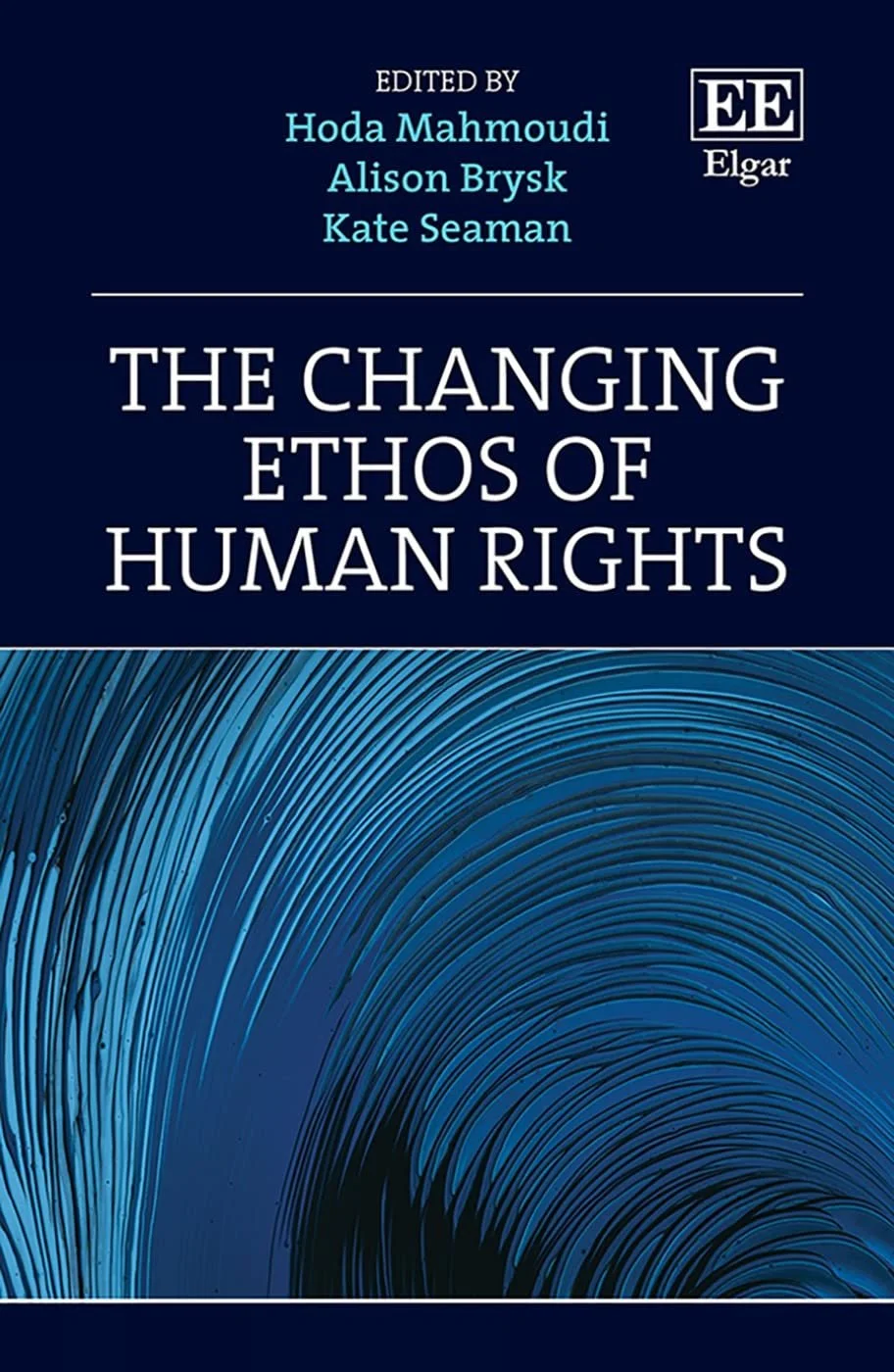
Dr. Kate Seaman’s compelling chapter, “Empathy, Caring, and the Defense of Human Rights in a Digital World”, in the volume The Changing Ethos of Human Rights, tracks the rise of digital technologies and the accompanying attempts to situate new and compelling defenses of human rights. Situated against the backdrop of a rapidly changing, exceedingly complex world, she argues that digital technologies present both possibility and peril, and that it is incumbent upon human actors – operating in thought-filled, considerate, care-filled praxis, to harness these new tools for the betterment of humanity.
Seaman begins her account by describing the true impact these new technologies have made. Importantly, she does not just note the material impact of these new inventions, but the way they have shifted paradigms and notions of humanity. She describes the way they have collapsed scale, the way they shape reality, and intriguingly, the way they shape the sense we have of ourselves, and of others. She asserts that “humanity is witnessing a technological revolution that is fundamentally changing the way we live, work, and relate to each other”, and that as digital platforms proliferate, they subtly shift our sense of meaning, form, and time, which in turn “pushes us to rethink how we understand and interpret human rights, and the ways in which rights inform our understanding of moral relationships in a global context.” This vast interconnectedness presents opportunity – for intervention, publicity, and empathy – and danger –careless, transactional interactions that harden already-existing prejudices. Aligning her argument with a key development and insight from moral thought and philosophy – an ethics of care argument – Dr. Seaman asks readers to view digital technologies through the lens of how they help build a better, truer version of humanity.
But against the backdrop of these serious concerns, Seaman shares the many ways that digital technologies empower individuals, communities, and peoples. She shows how new technical developments allow for the documenting of human rights abuses, often in real time, in ways that decenters power. From recording tragedies to creating narratives that lead to worldwide empathy and concern, new technologies, including social media, crowd sourcing, crisis mapping, and remote monitoring systems are breaking the old levers of control, flattening out available information, and forcing autocratic impulses to be hedged against new forms of exposure and report.
Of course, every opportunity bears new realities of risk and change, and Seaman expertly guides the reader through a litany of accompanying challenges and questions. For instance, after describing how these new technologies bear liberating possibilities for Human Rights Organizations, she goes on to show how ever new responsibilities are created – responsibilities to sift through, classify, verify, organize, and present this new information. She also demonstrates that as documentation continues at a fevered pitch, the risk of catastrophe fatigue grows as well, as individuals can begin to believe that the world’s problems are too massive to make a dent. Yet another example Dr. Seaman notes is the Scylla and Charybdis of competing technologies, shown for instance in encrypted communications. On one side, apps like Telegram and others protect sources and allow for anonymity in sometimes dangerous environments. But technology is constantly competing with technology, and activists using digital sources have been exposed, harmed, and even killed when their phones or other social or personal accounts have been hacked and their personal information has been exposed.
Seaman concludes her article by examining what an ethics of care analysis might suggest about our new digital world as it pertains to human rights. For as new developments change our sense of ourselves and the world, she reminds us that “The effect of a change in self-conception and questions around what it means to be human are intimately connected with the development of an ethos of human rights”. And that, as ethics of care analyses examine “the centrality of social relationships, and the impact that practices of care can have on these interactions,” digital technologies, no matter how sparkling or exciting, must chiefly be viewed within a subsumed framework where they are judged not on technical efficacy but on moral, social, and civic contribution. Using this analysis, Dr. Seaman shows how issues of moral distance and power relations may benefit from these new technologies and benefit both individuals and the larger world in the search for justice and human dignity. But she also warns of the dangers of novel situations and experimental documentation, pointing out the risk for making suffering a new form of clickbait.
Seaman’s thoughtful, sober, and considerate analysis reveals her to be neither a Luddite nor a techno-fetishist. Instead, bearing a scholar’s temperament, she documents successes and failures, possibilities and perils and in the end urges a collaborative, care-based focus that empowers individuals, communities, and nations in the ongoing battle for human rights.
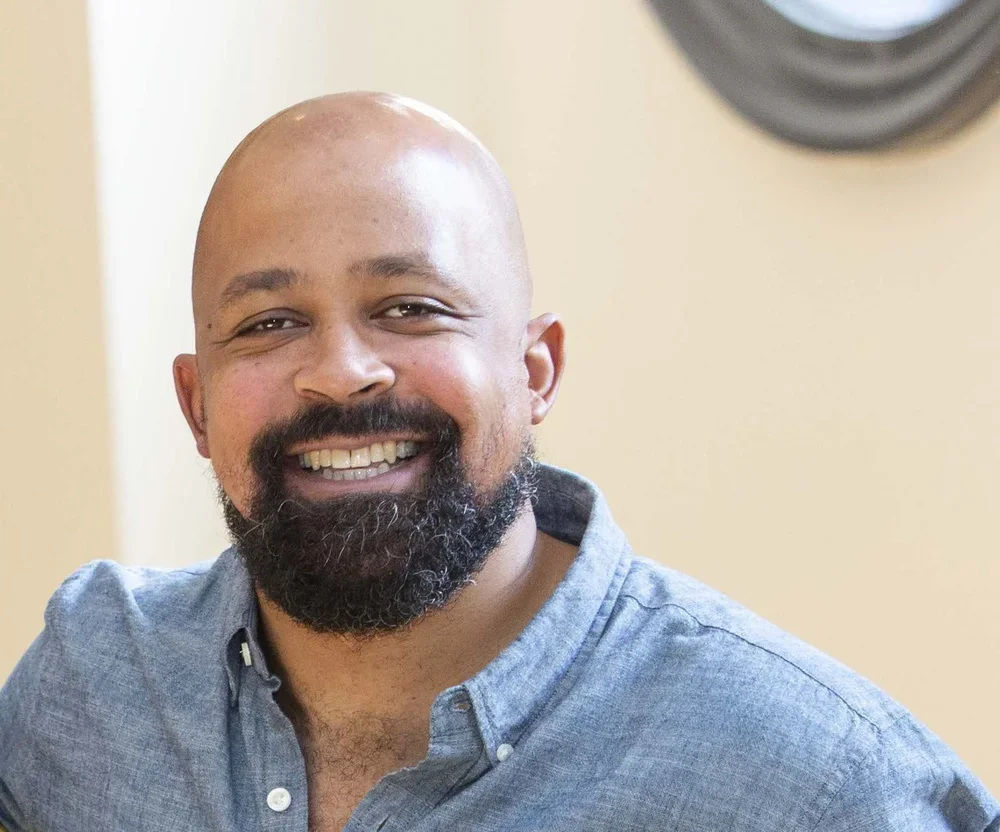
Malik Wilson is a Faculty Fellow at the Bahai Chair for World Peace at the University of Maryland. He works closely with Dr. Mahmoudi in matters relating to editorial concerns – publications, speeches, and publishing.