
The Past in the Present
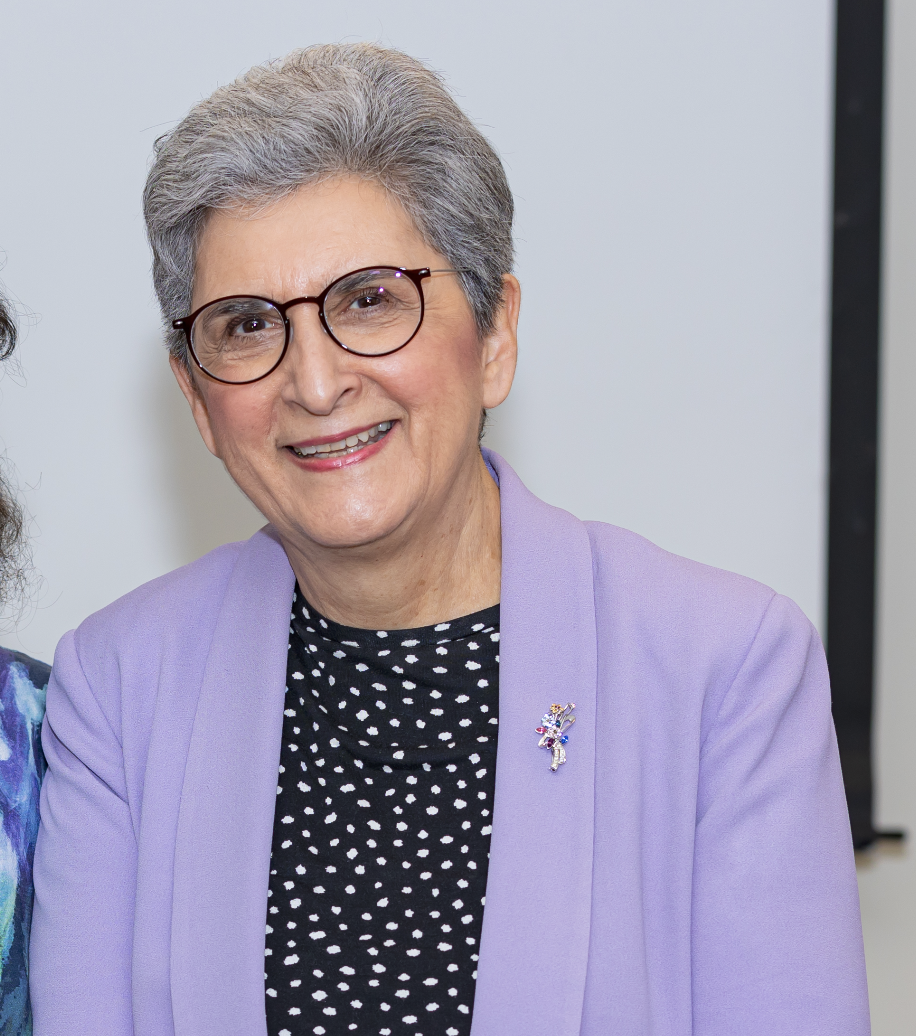
In “The Past in the Present”, Professor Mahmoodi shows how the weight of racism clouds the nation’s moral imagination, retards creative expression, and nullifies civic collaboration. Though her message is pungent and straightforward, it is deeply purposeful: the light of human uplift can only be seen against the darkness of what came before – in this case, racism’s enduring stain on our nation.
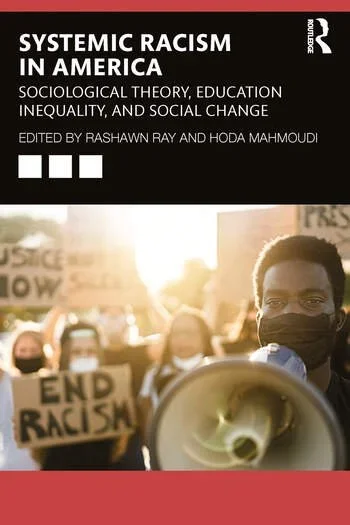
Indeed, Dr. Hoda Mahmoudi’s sobering chapter places racism and its systemic structures at the heart of the American experiment. For Mahmoudi, the great sin of racism is how it corrupts ideals so eloquently stated, principles so high and considered. And while she uses statistics, sociological analysis, and historical considerations to form her argument about the material costs of racism, her withering analysis ultimately reveals racism to be a profound moral failure, a leech to the American mind and heart. She states:
At its heart, racial injustice is a spiritual problem that threatens the secular success of the American state.
While many scholars have described the unique blight of the systems of racism in America, Dr. Mahmoudi’s vision gives the reader a sense of the cloudy, shrouded, and dark history of American racism. She suggests that racism is perhaps the moral fracture of our time, darkening our nation’s possibilities and vision. She shows how the institution of slavery generated a kind of enveloping shadow, sidelining the pure and innocent impulses of a young nation and tethering it to a transactional system of humans-for-profit. She explains how this shadow conceals the “hidden, immaterial, and spiritual costs of discrimination. The soft bigotry of lowered expectations, dreams deferred, and aspirations cut”.
Mahmoudi begins her essay by noting all the knotty, co-relational ways that racism has been enshrined into American society’s structures, goals, and principles. She explains how the logic of racism was borne out of a fractured conscience, one that needed the logic of racism to be a salve to the soul. What began as a latent sensibility, an attitude, a prejudice, soon concretized into institutions, laws, and practices, forming a complex, overshadowing civic cosmology that shapes the nation. Clearly, changing such a system requires a herculean, collaborative effort. But Mahmoudi is diligent to show that first, minds must change, viewpoints must shift. A change in thought precedes a change in action; a changed mind and changed principles give rise to new structures and practices. Full attention to abstract principles, without an inward change, ensures that the next system will be just as corrupt as the first.
Thus an inward orientation is incredibly important. For too often racial discrimination is seen solely through a material lens of redress, justice, reparation, settlement, and disbursement. Though addressing each of these is incredibly important, the author warns the reader that moral fissures not easily healed. Because of this, Professor Mahmoudi counsels an imaginative sobriety that demands intention, attention, thoughtfulness, dedication, and sober mindedness.
But this deliberation is not intended to be a lack of engagement. She reasons that in any grand undertaking, great attention must be paid to the type of mission to be pursued.
Mahmoudi seems to say that with an evil as grand as American slavery, grand also must be the new mechanisms which bind the wounds, ameliorate the hurts, and imagine – and put into practice – collaborative solutions. She states:
To not commit to a bold, all-embracing vision for all individuals is to underwrite a kind of communal and material failure, a failure which in turn becomes enshrined in a nation’s laws and codes.
Professor Mahmoudi moves towards her conclusion by painstakingly referencing the vast and troubling data that track the legacies of discrimination. She reminds the reader that in health, wealth, education, and criminal justice, the gaps remain profound and disheartening. And while making pragmatic suggestions about such conditions is helpful, she ends her essay with a cutting, aching call for change. The call reminds the reader once again that human beings are more than the hurt they’ve received, but that the monetizing, compartmentalizing, and too-late, performative “help” can do more harm than good. She asks the reader, in this spirit, to be more thoughtful and look beyond the material towards:
the hidden, immaterial, and spiritual costs of discrimination. The soft bigotry of lowered expectations, dreams deferred, and aspirations cut at the
dreams of Black boys and girls. That rugged, charred, and lonesome inward landscape may be difficult to track, but it is deeply felt and can be summoned to a
boiling point at critical moments. Such long-term wounds are slow to heal and cannot be band-aided by money in the pocket, safer neighborhoods, or better
schools. These wounds need healing, acknowledgment, apology, and atonement. They demand us to do something. They call out to all our shared humanity,
demanding justice. The collective memory of slavery and discrimination, and the lifetime process of having to wade through its current embodiments, places a yolk
on the sturdiest of souls, cutting into the prospects of future success and forcing some to have to work harder than the rest. These are the unseen data that spill out of our data-filled world. This is the place, and these are the places where the Grand American Work must begin.
Though called “The Past in Present”, Dr. Hoda Mahmoudi stirring overview of the legacies of racism in America might also be called “Towards a Grand American Work.” As the nation prepares to celebrate its 250th anniversary of freedom, it is timely call to contemplative, pragmatic action. Her broadside appeals to the deepest, most intimate, and noblest of American intentions and considerations – how to admonish one another, and nudge and urge one another, and this country, towards a brighter, freer, more just future.
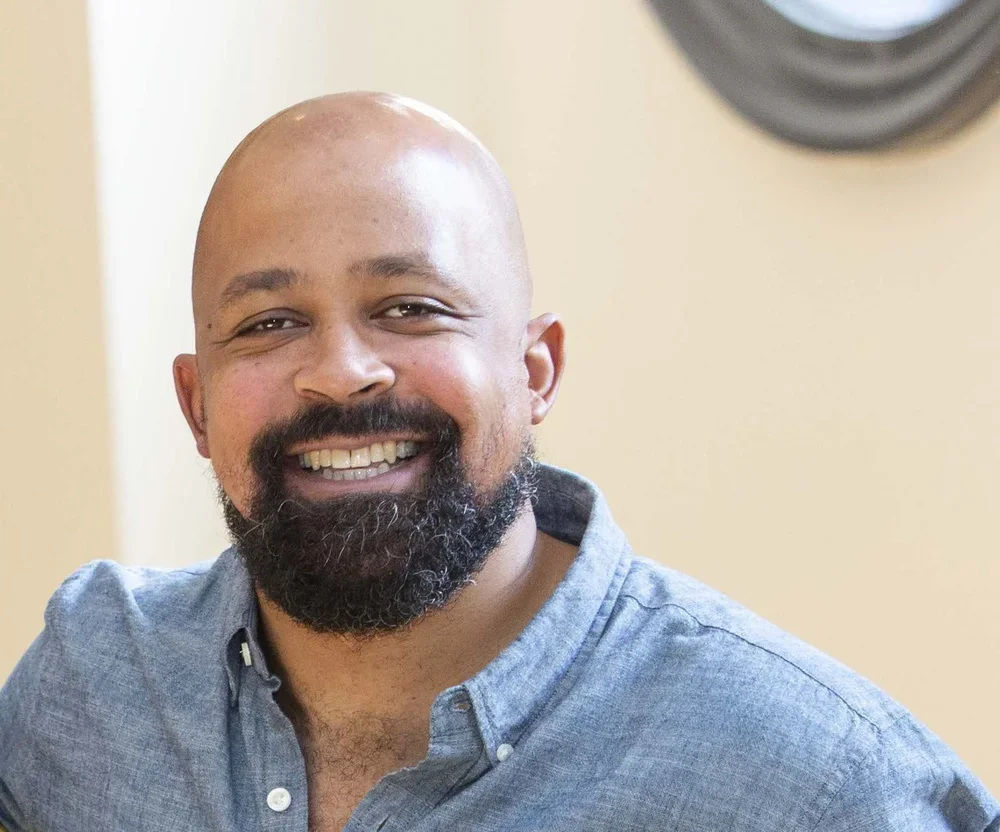
Malik Wilson is a Faculty Fellow at the Bahai Chair for World Peace at the University of Maryland. He works closely with Dr. Mahmoudi in matters relating to editorial concerns – publications, speeches, and publishing.