
Chapter 3: Where Democratization and Globalization Meet - Craig Murphy
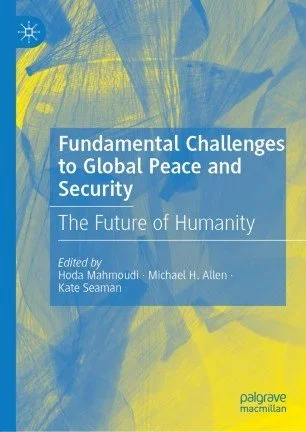
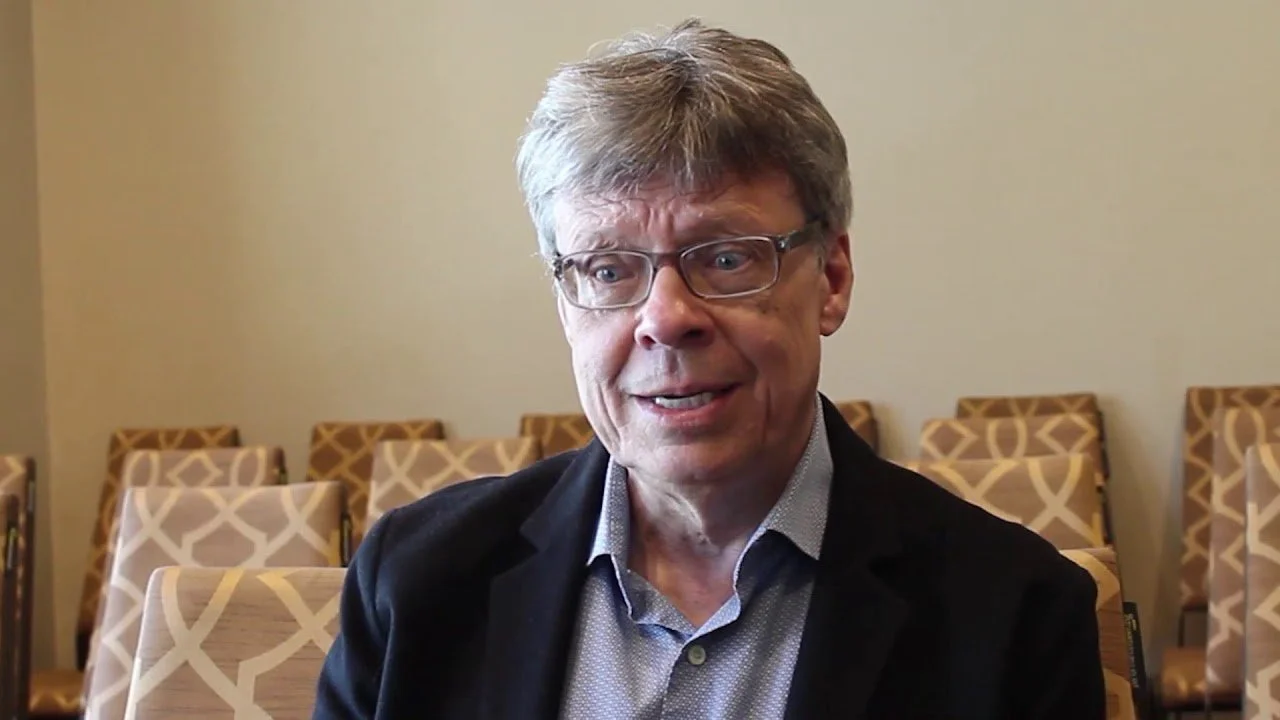
Craig Murphy, a political science professor at Wellesley University, contributed an important chapter, “Where Democratization and Globalization Meet,” in the edited volume, Fundamental Challenges to Peace and Global Security. His timely considerations find the locus of today’s problems at the intersection of globalization and democratization – namely, the unprecedented scale of the former and the halting progress of the latter.
As for globalization’s reach, numerous examples abound. And for every global success, a global problem waits right outside the door. To Murphy, a global problem is “one that cannot be solved by action (whether private or public) at a local, national, or even a continental level.” These include global environmental challenges, global financial challenges, and global inequality.
Global problems require global solutions, but how does this align with democratic ways and means? Dr. Murphy, though acknowledging that the path might be jagged, insists that the process “begin(s) with a sense of individual responsibility and civic engagement.”
He argues that responsibility and engagement is not simply a democratic nicety, but rather what is fully required to confront the enormous, interconnected, and nebulous challenges of today’s world. Only these values grant the ability to form what he calls “consensual knowledge” – the series of social, organizational, and civic pressure points that can influence the body politic. Consensual knowledge is required if new systems and approaches are to be formed; this can ensure that an individual’s spiritual imagination remains robust and open. It also ensures that democratic processes are respected.
But democratic practices are not enough in themselves. There must also exist a kind of civic and democratic temperament. Such a temperament motivates actions and helps form democratic character that can lead to what Habermas called “communicative rationality.” Communicative rationality is needed in democratic societies and is essential in forming a “civic culture – the discipline of open discussion and argument between equals, compromise, and accepting the experience of being outvoted by one’s peers.” It is the burgeoning of these tiny, positive civic impulses that can eventually catch fire and lead to widespread change.
Dr. Murphy sets these possibilities against a grim backdrop. The old system has failed us, he argues, and not only recently. Indeed, the entire sovereign state system has proven itself incapable of confronting the world’s biggest challenges. Worse, the system, though often ‘democratic’, does not import the true spirit of democracy into matters of global importance.
For Professor Murphy, the aged system is incapable of fulfilling its role. He argues that this is because the current global system was designed to support a small number of elites seeking trade advantages through a protected capitalist system. He goes on to describe how even well-intentioned groups like the United Nations, despite some successes, are limited by a fading international order not designed to address today’s problems.
Murphy ends his article by considering ancient wisdom, including religious wisdom. But most broadly, he praises the practices that can give rise to a humane temperament, including “standards bodies” like the United Nations. Referencing Plato, he argues that such groups help form a balanced society made up of “good, balanced individuals, individuals whose reason and passion work in harmony to keep in check their desires and compulsions.”
This above note is a thru-line in this fascinating chapter. It is neither the idea, nor the system that forms society, but the activities and intentions of the individuals. A functioning global society will require everyone to evolve from individual acts of conscience to broader-based political and democratic social movements designed to change our broken system and reframe our global order.
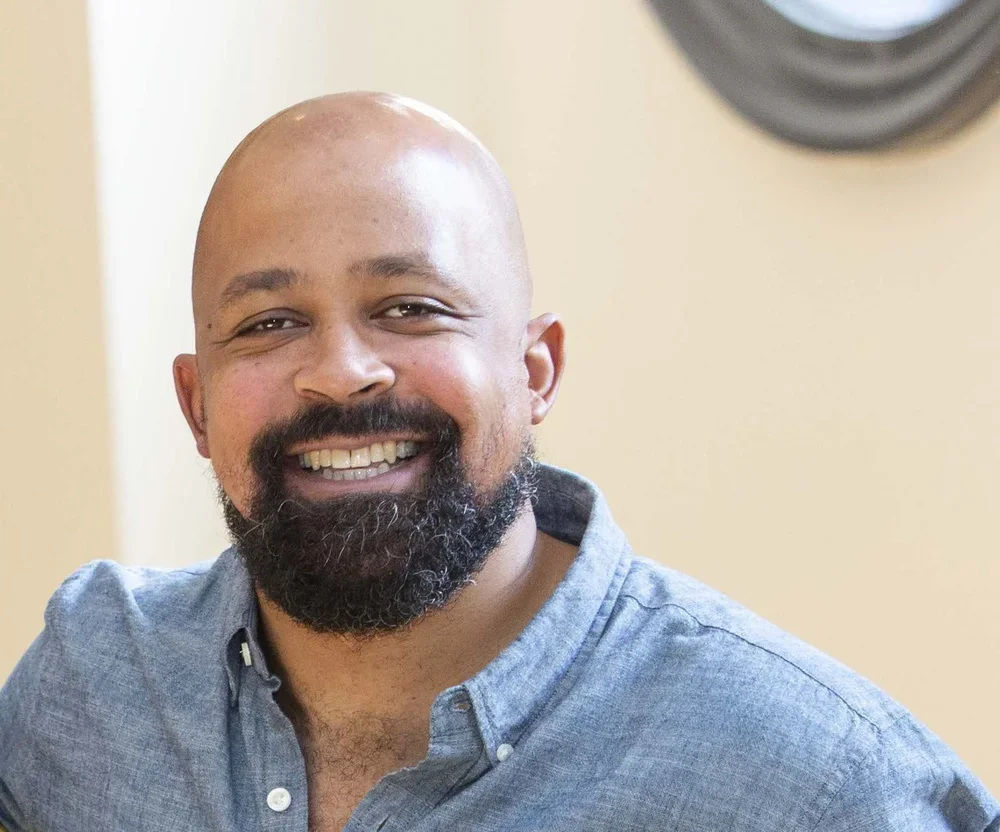
Malik Wilson is a Faculty Fellow at the Bahai Chair for World Peace at the University of Maryland. He works closely with Dr. Mahmoudi in matters relating to editorial concerns – publications, speeches, and publishing.