
Stories we Tell Ourselves: Ben Mylius and the Narratives of Climate Change
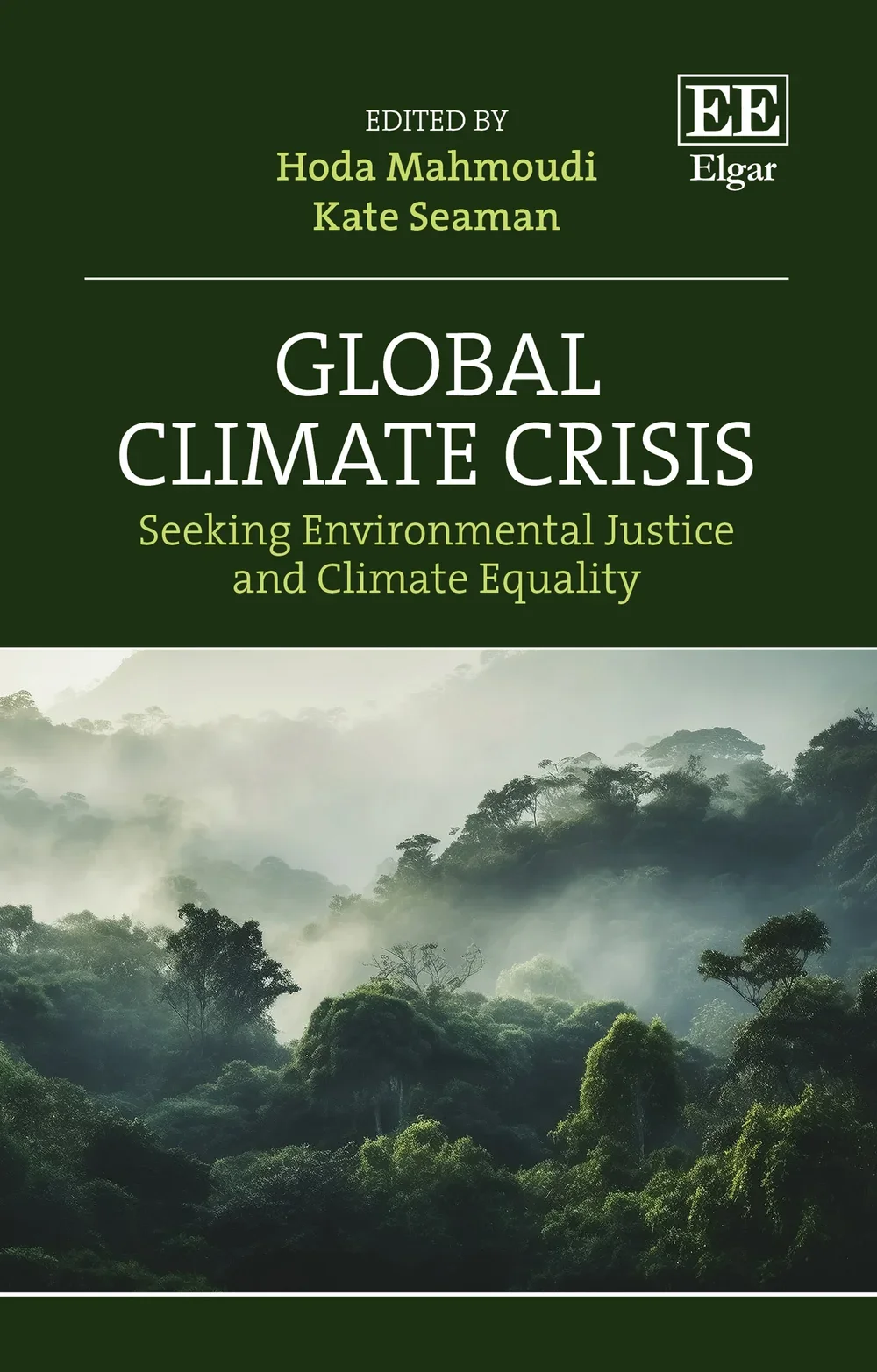

In Ben Mylius’ “Engaging Ethically With Narratives From Historically Marginalized Cultures in Response to Climate Change,” the author patiently shows how the battle for the world’s climate is not only a battle for science but a battle for ideas. It is also a battle for engagement, or rather, it is a battle to engage those communities that have been ignored, those communities with the most to lose. In tracing the history and theory of climate considerations, Ben Mylis shows how the stories we tell ourselves, and each other, shape the world’s approach to energy, resources, and preservation. These stories in turn shape the fate of the world we inherit. Such ideas must be reconsidered, the author argues, if we are ever to start anew, if we are ever to begin again with a fresh, practical approach to climate change.
For Mylius, narratives of climate change are not just things we tell ourselves after that fact – rather, they are forming stories that determine how we perceive and practice climate intervention. As such, these stories matter, and it is critical to get such stories right. Fundamentally, Professor Mylius argues, many narratives of climate change repeat single-idea notions of saving intervention which are merely the opposite of older, defunct ideas.
But the reality is even more complicated. It is not enough, he argues, to subvert such stories. Nor is it reasonable to invent new approaches whole cloth. Ideals of extraction and distribution cannot be simply binary-flipped. Non-extraction and non-distribution don’t get to the root of the problem either, nor do they answer the vast complexities that are required of humanity in a globalizing moment. Instead, new narratives, based on new fundaments of learning and understanding, combined with a thoughtful review of past successes, must take the day, if humanity is ever going to present a collaborative approach to climate change.
Professor Mylius begins his detailed argument by exploring the work of the Australian philosopher and feminist Val Plumwood. He details how this important scholar has painstakingly sketched the full diagram of the West’s relationship to the natural world. Plumwood reveals how what is “obvious” or “natural” is actually a very specific story of discovery, mastery, and dominion – a story that often runs against other indigenous traditions. Mylius explains how dualisms – us/them formulations – create a dogmatic separation between ourselves and the environment and between ourselves and others. He goes on to show that such an approach becomes increasingly dangerous when rendered towards people; such traditions go a long way in explaining the cartographies of exclusion that have defined the last 500 years.
But after painting such a dark, intimate portrait of the world we are inheriting, Professor Mylius reveal new entrypoints for collaborative awareness. He argues that we need new stories to tell ourselves and each other. In so doing he highlights a critical aspect of Plumwood’s theory of “critical affirmation” – essentially, examining the full tableau of all of humanity’s understandings, approaches, and undertakings, especially when it comes to the environment. But it is important to note that critical affirmation is not affirmation without consideration. Nor is it affirmation that simply repeats the past by celebrating one group over another (even if the roles are switched). Instead, a thoughtful evaluation of different cultures’ approaches must be combined with a humane, listening ear, and a tendency to seek shared processes. It should also be goal oriented – with the purposes of arranging the best practices of all of humanity together in one approach.
Mylius ends his essays by reminding readers of the important stakes in not only the battle for climate change, but the battle for the stories of climate change. These narratives matter, he explains, because the recipes for right and redress lay embedded in how we address harms done against specific groups of people. True, humanity-wide collaboration cannot occur unless justice is at the forefront. And justice must be more than a legal attribute (though it should be that as well) but one that extends to addressing the compelling aspects of our shared humanity, in a fulsome expression of forgiveness, atonement, and acknowledgment.
Or, as Professor Mylius explains:
“For those who would seek alternative narratives within and beyond dominant traditions, the emphasis on relationships and relational repair must be a central focus moving forward. This means moving beyond both the problematic stories themselves, and the deeper logic that these ideas both incarnate and reproduce or generate. This is a significant ethical, intellectual, and relational challenge.”
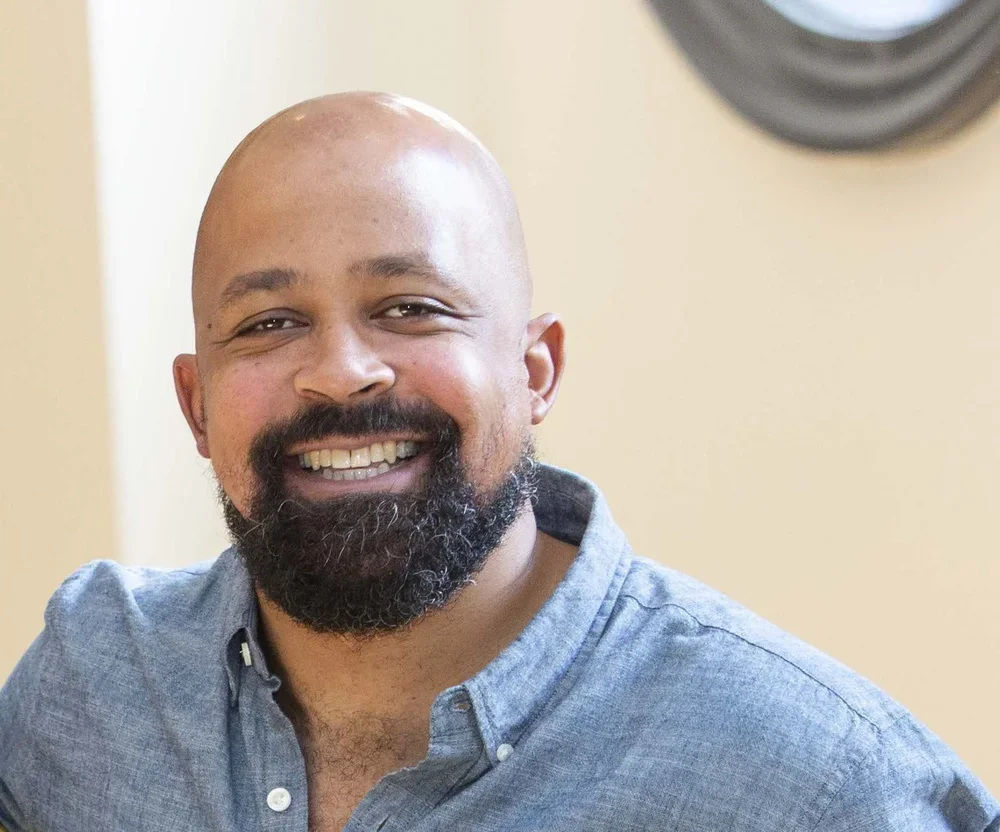
Malik Wilson is a Faculty Fellow at the Bahai Chair for World Peace at the University of Maryland. He works closely with Dr. Mahmoudi in matters relating to editorial concerns – publications, speeches, and publishing.