
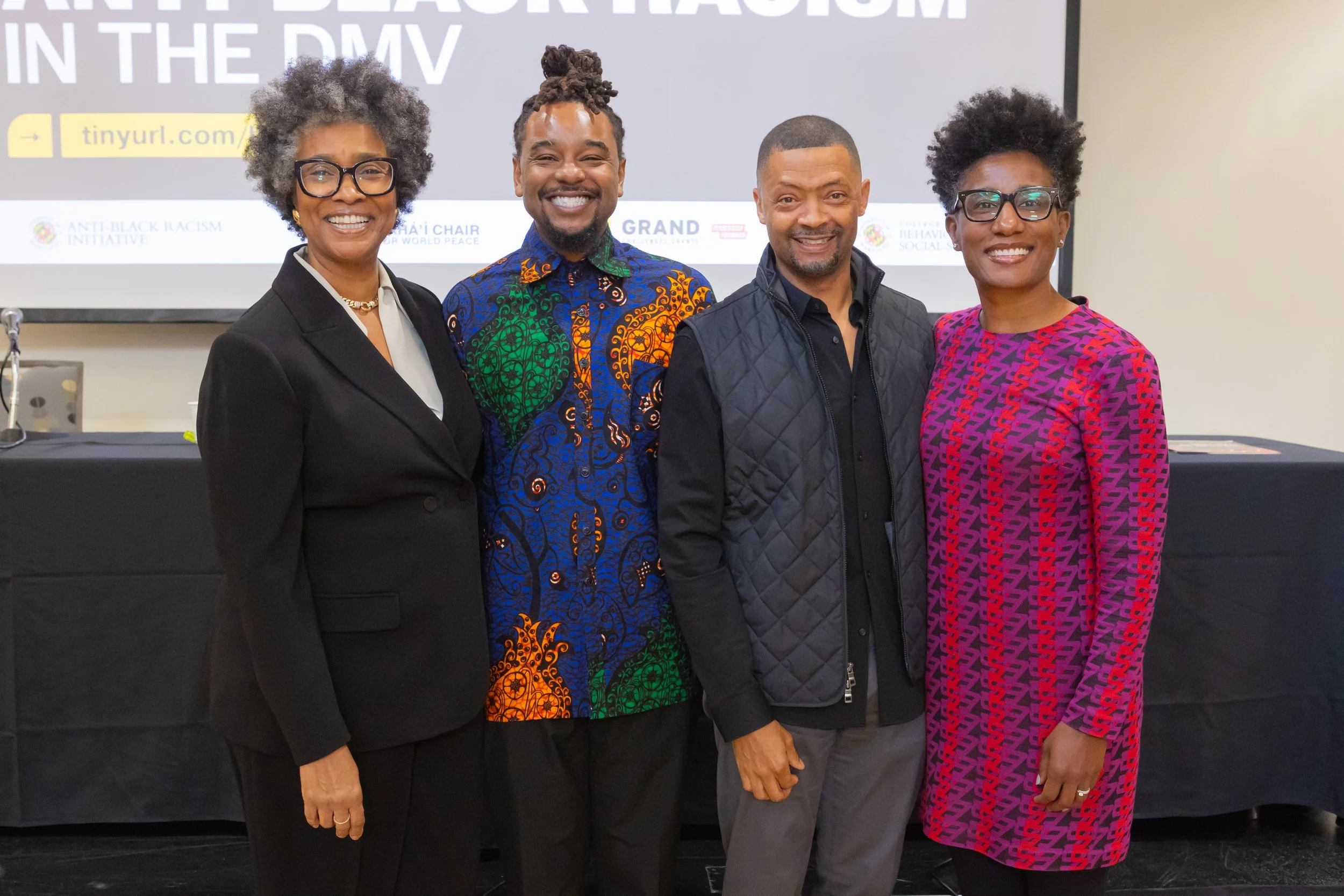
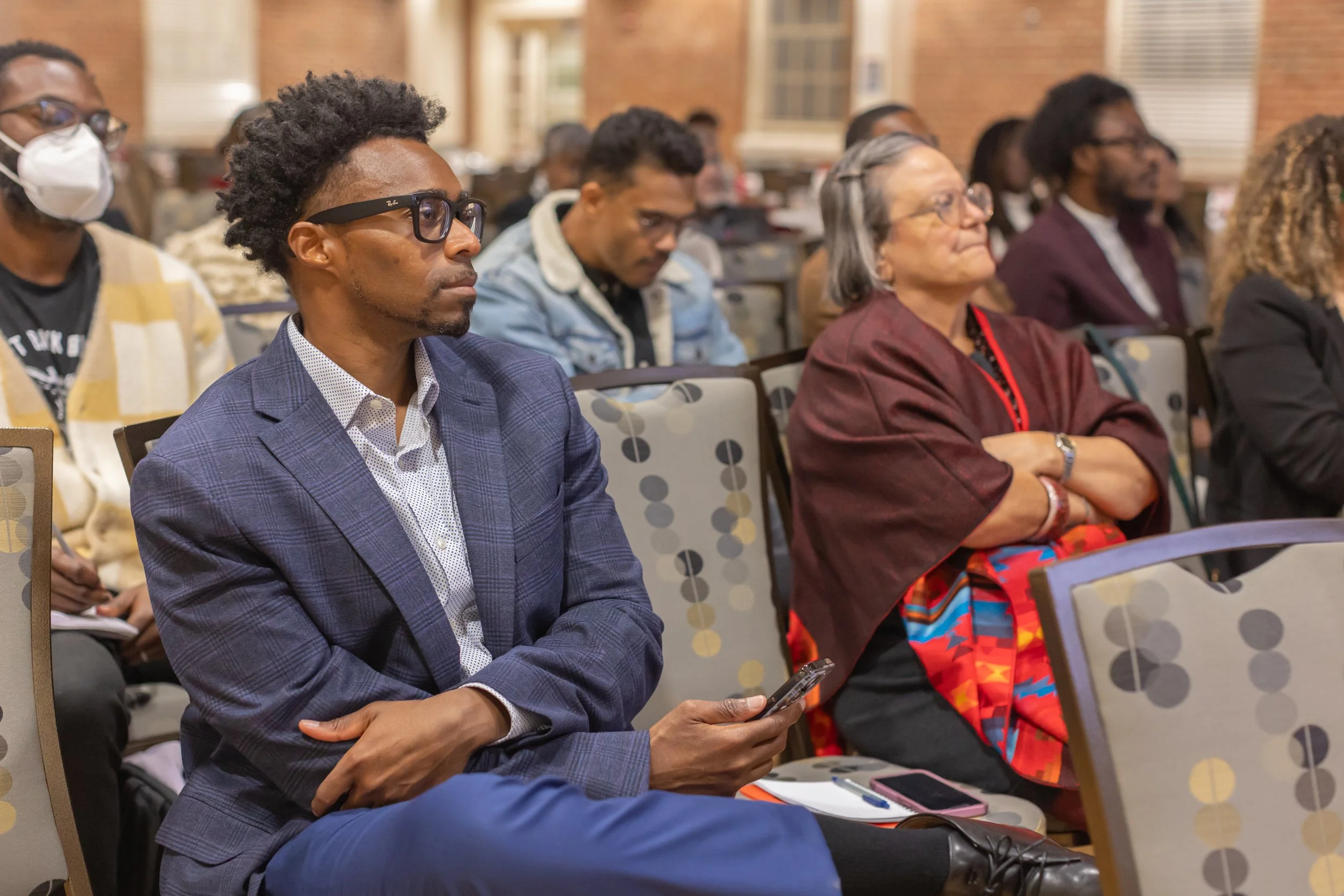
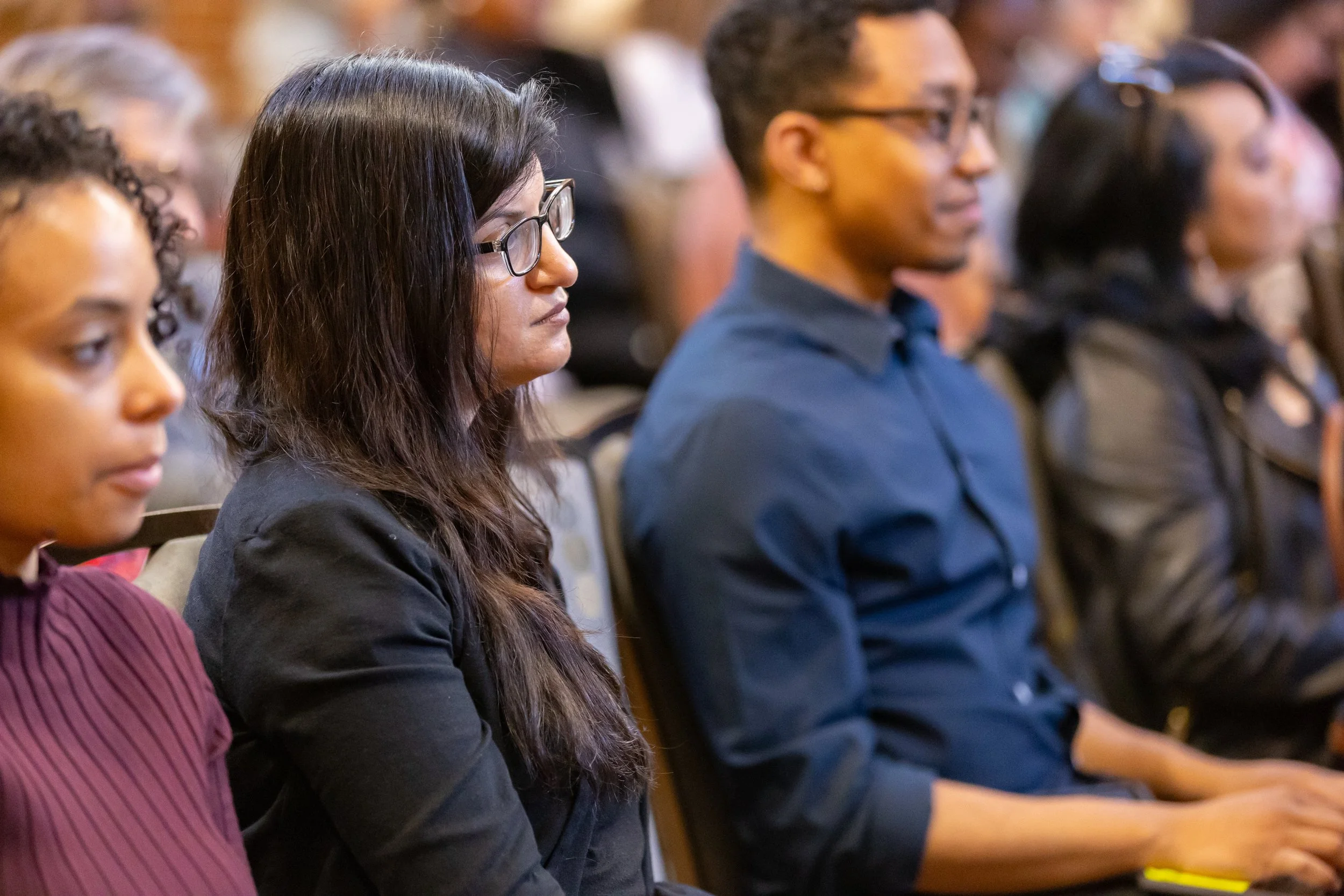
One of the more significant gatherings to happen at the University of Maryland in recent years, the Eradicating Anti-Black Racism in the DMV Conference brought together a diverse group of scholars all united under a common intellectual, civic, and societal goal – the elimination of anti-black racism and prejudice throughout our local communities.
Bringing together practitioners and theorists, scholars and activists, the conference represented a kind of statement of epistemic seriousness and purposeful civic endeavor – a kind of all-hands-on-deck devotion among academics who have long been deeply committed to these efforts. This remarkable assemblage reflected a long-term commitment by the University of Maryland at College Park, the Anti-Black Racism Initiative, the Baha’i Chair for World Peace, and the College of Behavioral and Social Sciences to blaze paths of moral seriousness, intellectual dedication, and civic, social, and societal change.
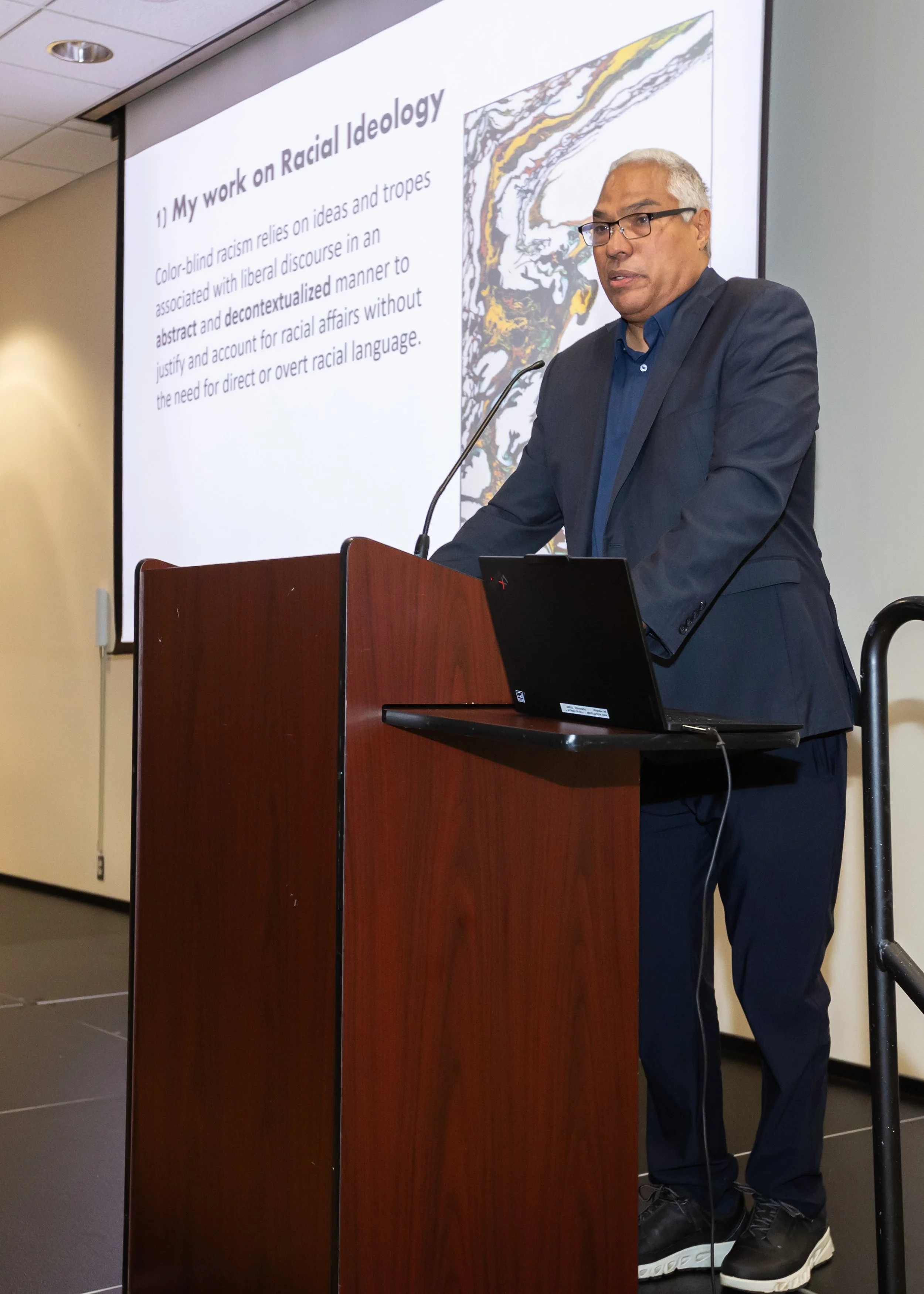
The conference itself was a kind of object lesson in purposeful commitment, a reminder to the global audience that even the rudiments of peace, much less the complex organizations of peace, deserve painstaking attention and focused intent. The keynote address was delivered by Professor Eduardo Bonilla-Silva of Duke University, a renowned scholar and researcher. Dr. Bonilla Silva’s tone was one of moral insistence and clarity. He advised, even in stark terms, what our communities faced, and how much had already been lost. Still, he implored the audience to do the hard work of redress, of equity, and of concern and care, and argued for nothing less than a radical reimagining of race in America.
Other scholars sought to shift the fundamental focus to the challenges of eradicating racism, which spurred an informed and lively debate among participants. Dr. Rayshawn Ray, Professor of Sociology at the University of Maryland, argued that, “In the Academy we don’t train people to think about solutions we train people to focus on deficits and disparities. And that is something we have to change.” Dr. Ray was making the broader point that the critical, analytical style in academic fields – particularly Sociology – can at times lend itself to an ongoing social autopsy of the body politic, without always explaining what made the patient sick in the first place. What gets left out of such an approach, he seemed to say, was the broader need for grassroots, pre-emptive commitments to addressing future harms.
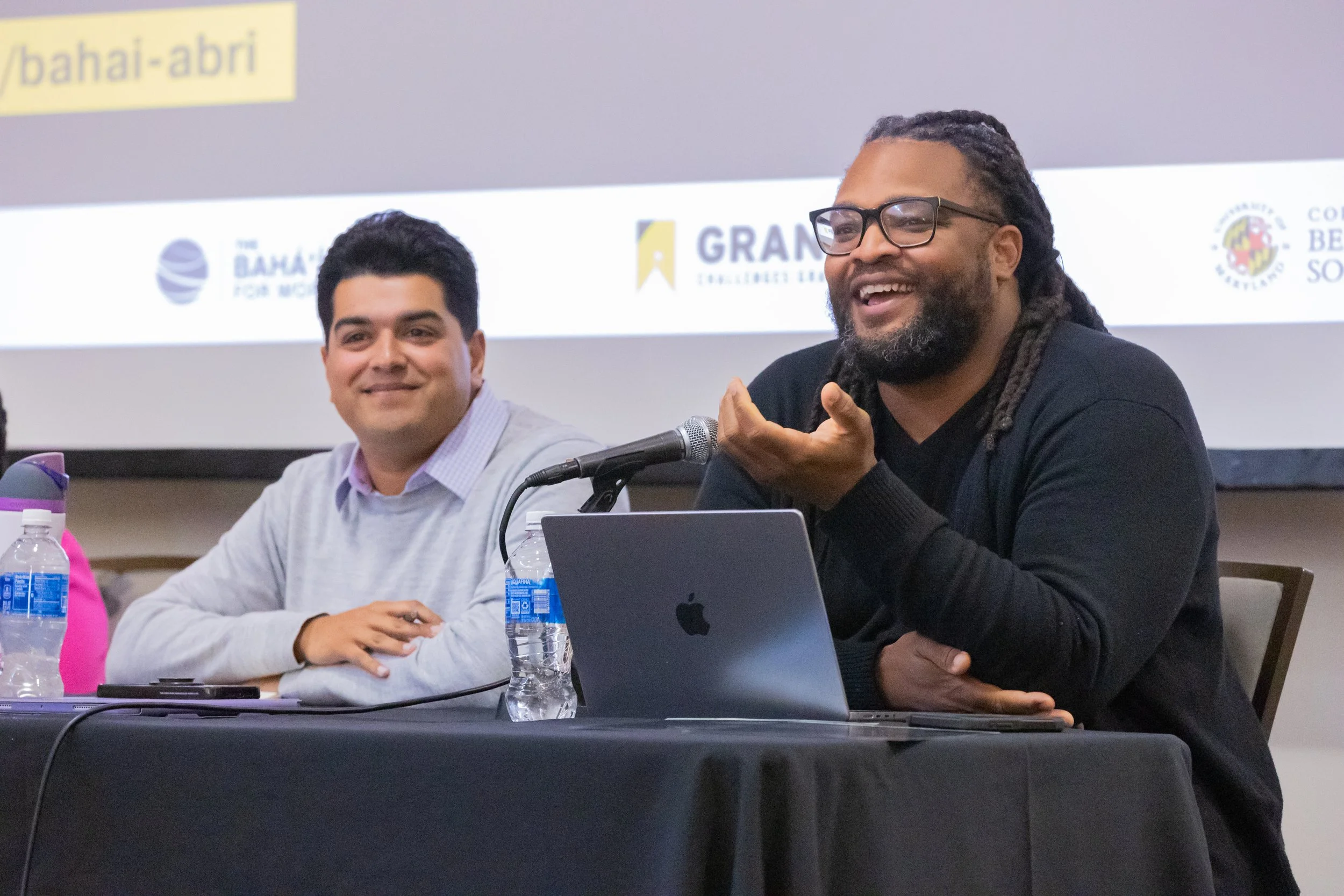
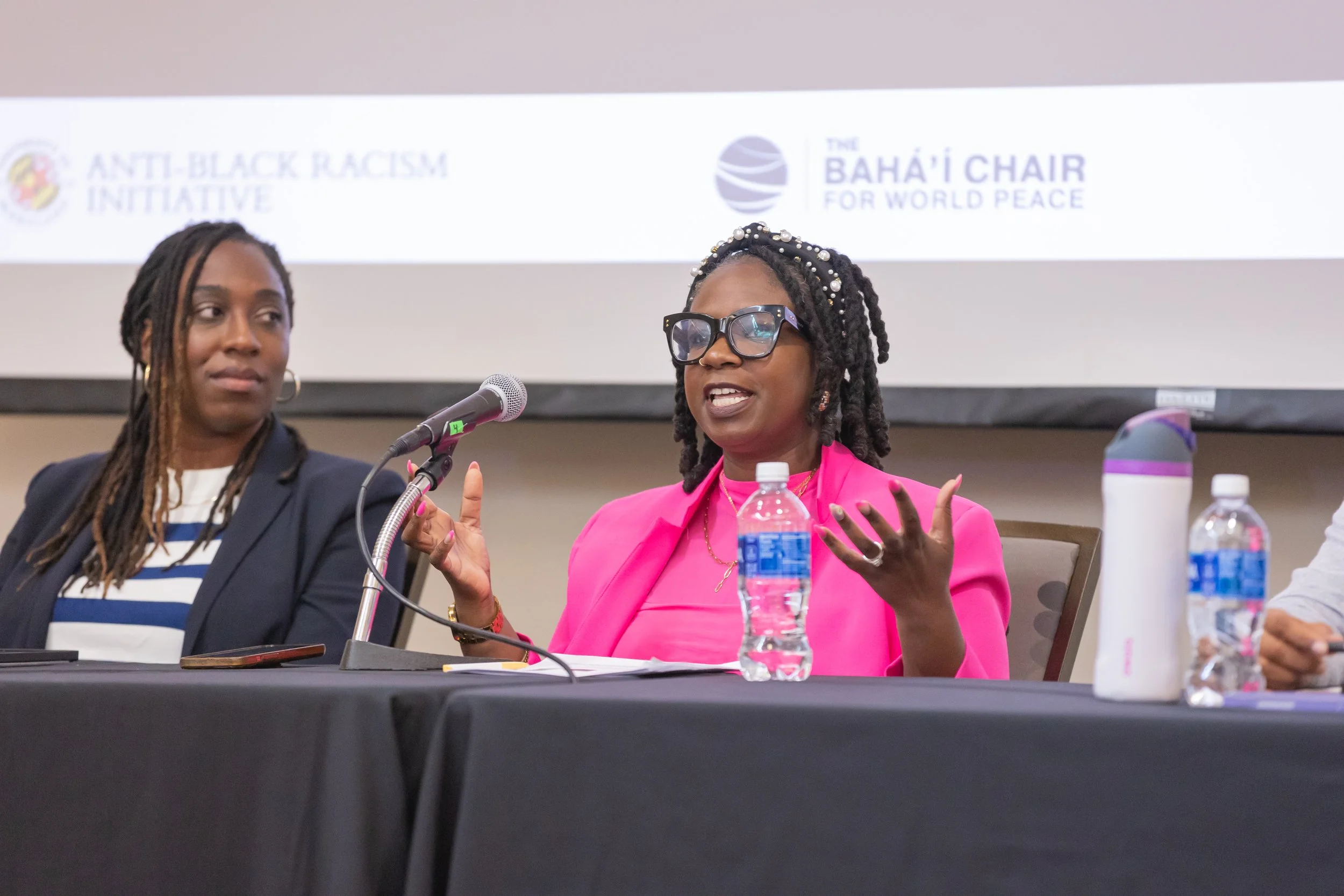
Professor Odis Johnson, a professor at Johns Hopkins University, seemingly pushed back on some of these notions, while stating that coupling critical, analytical practices in conjunction with recipes for improvement was actually the sine qua non of scholarly engagement. He reasoned that it was altogether reasonable to focus on disparities. “Disparities work”, he argued, “when you are motivated to be liberating your communities, can do good work, and that’s how we change the narrative.”
Changing the narrative was another key focus of many of the participants and speakers. In some cases, that meant even upending commonly accepted notions and reexamining essential views about fairness, acceptability, and privilege. One of the more profound statements was made by Dr. Marcus Hunter, a professor from UCLA, who asked listeners to reevaluate the fundamental debate over reparations not as a “for or against” but as a material and moral consideration. Dr. Hunter asserted that, “We have reparations all wrong… There are some things which cannot be monetized.” His argument urged a kind of scholarly, even spiritual restraint, and made space for moral and ethical self-concern to be part of any programmatic effort at racial redress. He also warned viewers, implicitly, of the moral hazard of putting a price tag on pain, suffering, and social dislocation.
All told, the two-day conference demonstrated the vast possibilities that can be reached, and the remarkable progress that can be made, when scholars, practitioners, and intellectuals across a broad field of academic inquiry team together to address a common problem. The conference reiterated the University of Maryland at College Park’s decades-long commitment to racial redress, fairness, equality, and equity, while showing how programs like the Baha’i Chair for World Peace and the Anti-Black Racism Initiative are trying, in real time, to address some of the most deeply rooted and intractable societal problems. The conference was particularly distinguished by its insistence that such efforts must do more than simply label and describe problems, but ultimately must seek to uproot challenges, fix problems, and heal divisions. In a sense, the conference invited participants to reimagine all approaches and devote themselves to the hard work of building societies that are more just, peaceful, and collaborative.
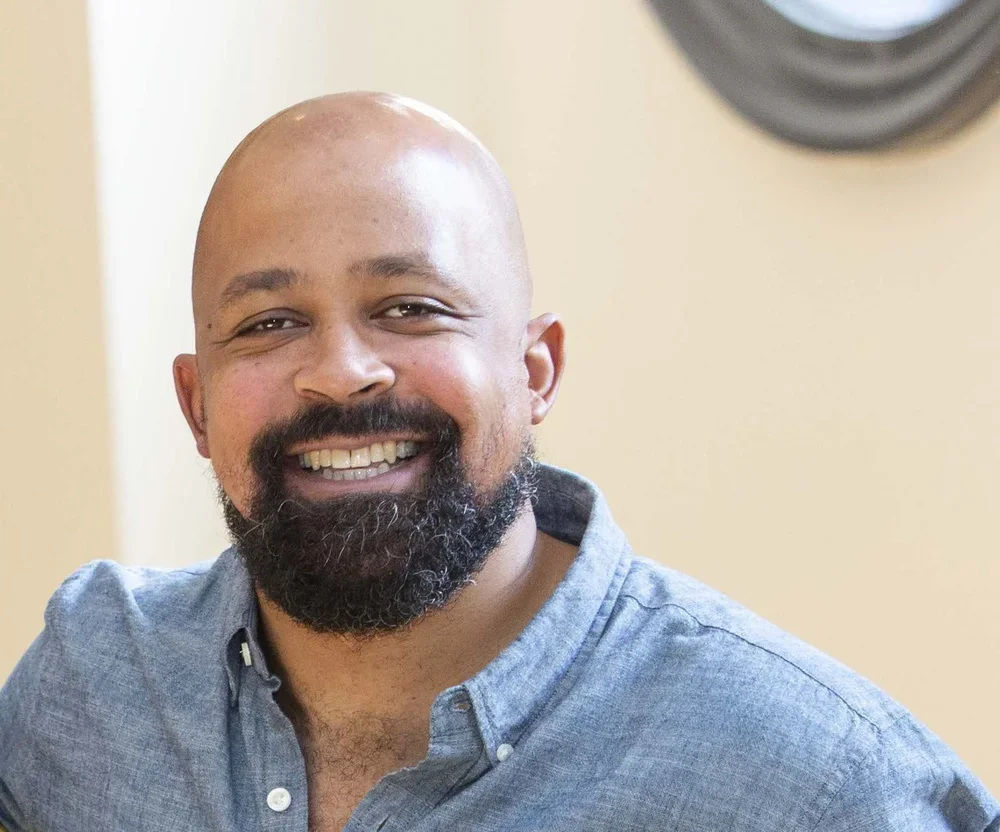
Malik Wilson is a Faculty Fellow at the Bahai Chair for World Peace at the University of Maryland. He works closely with Dr. Mahmoudi in matters relating to editorial concerns – publications, speeches, and publishing.