
History is not written by historians writing now, but by those actually experiencing harrowing events. Many times these events can be missed, especially in our contemporary, distracting age. Such events may escape us because our attention is elsewhere, or because what is happening does not fall within our matrix of expectation and concern. Discovering, and aligning ourselves with the important causes of the moment is an ongoing exercise demanding our full attention and intention. Who we see, and who we align with carries profound ethical, moral, and spiritual implications.
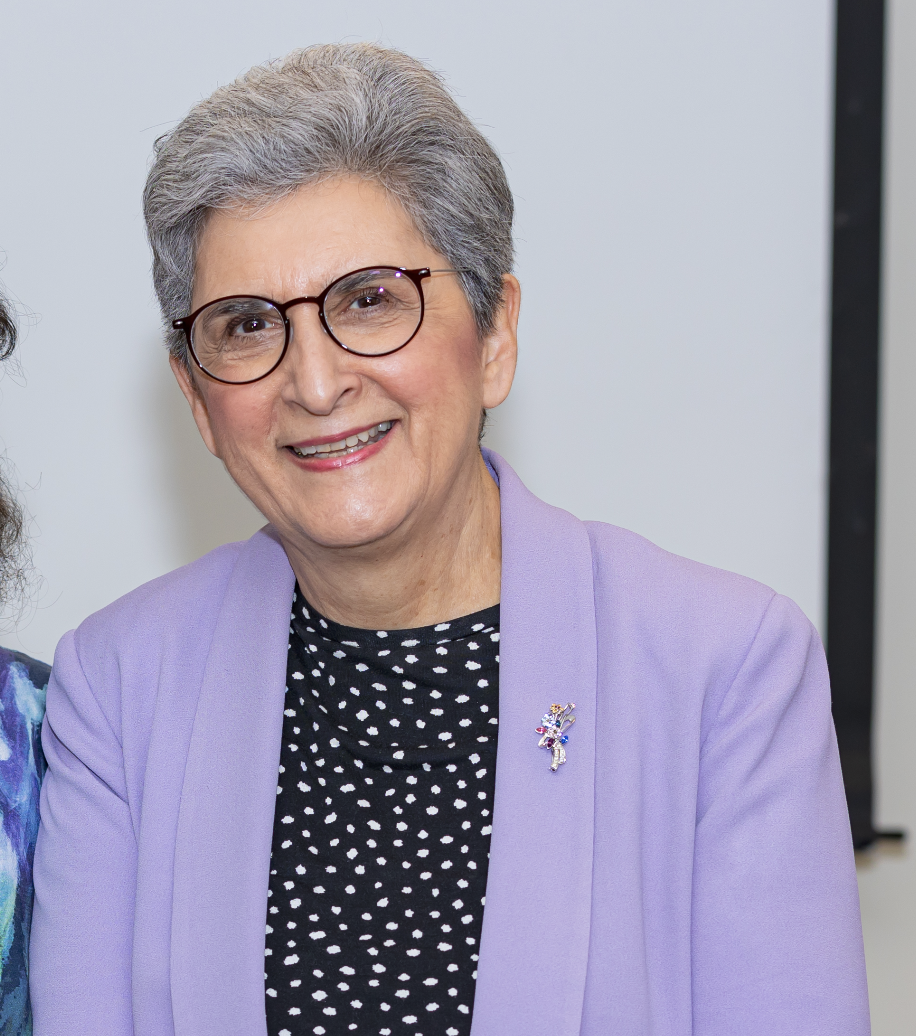
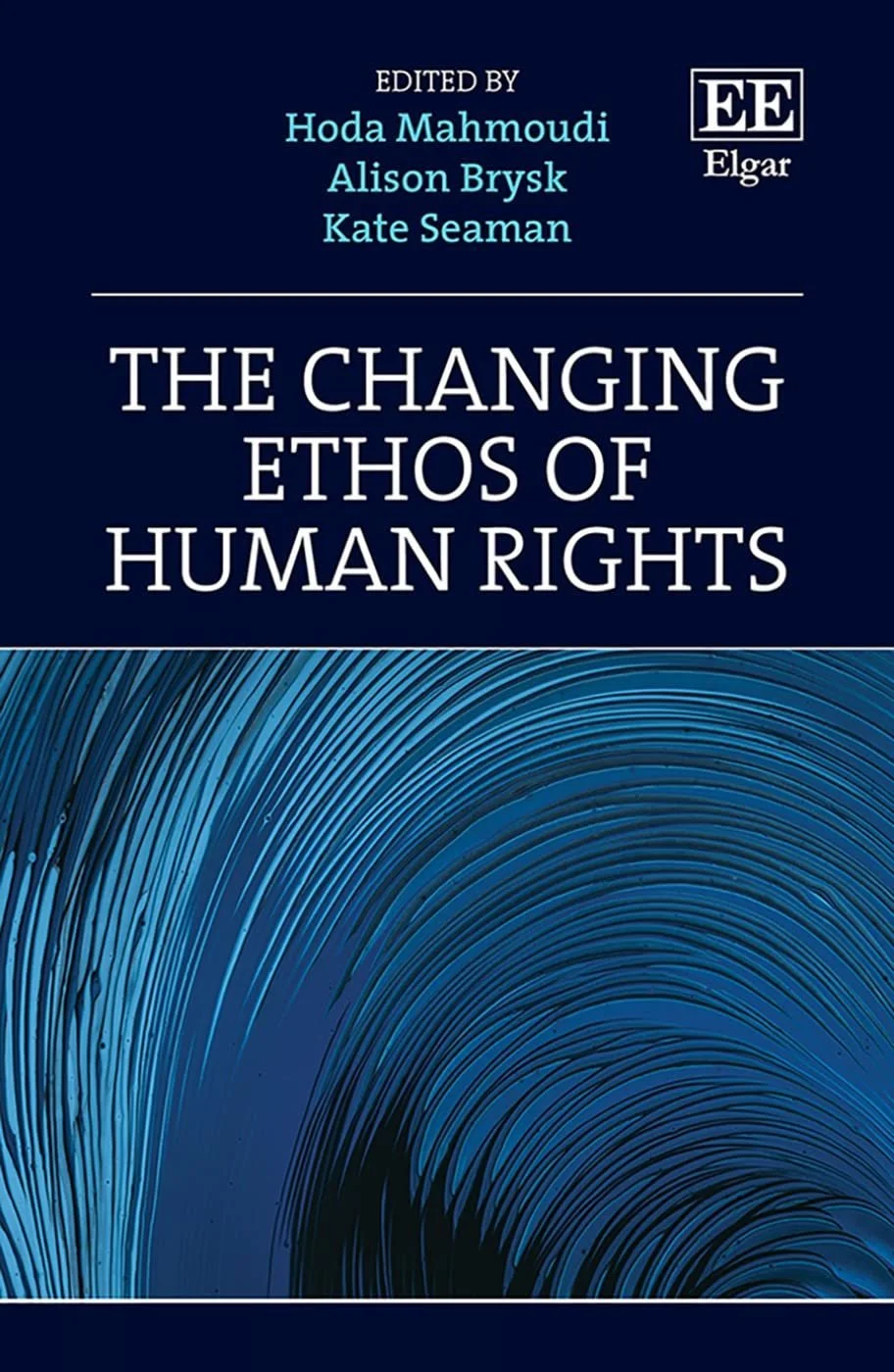
In “Difficult Care”, an important chapter in the volume, The Changing Ethos of Human Rights, Dr. Hoda Mahmoudi demonstrates the repercussions of not engaging with the critical moments of the time. She demonstrates that by ignoring, or failing to see the vital struggles of others, we miss chances for meaningful alliances, for civic and moral and spiritual uplift. But Mahmoudi also shows us all we have to gain when we truly see and partner with humanity that is endeavoring to survive and thrive under difficult circumstances.
Dr. Mahmoudi, University of Maryland professor and holder of the Baha’i Chair for World Peace, details in her article the clenched and challenging circumstances facing women in the Islamic Republic of Iran. She describes the “daunting, dangerous, and sometimes violent struggle for their dignity, equality, rights, and autonomy.” But she also notes the way in which this struggle “has morphed into a moral movement, not unlike the feminist moral theory of the ethics of care, for the soul and spirit of the Iranian women as well as for women, minorities, and marginalized people everywhere.”
In this way, her chapter pushes the reader to deeper, less topical considerations. For in framing the lives of Iranian women, Mahmoudi presses the reader to consider the ways in which we know things, how we make moral choices, and the context in which we align ourselves with others. Her article causes the reader to consider not only what we know about others but how we know it. That is to say, how can we tell when a culture, when a civilization is thriving, enacting remarkable ethical principles and noble ideals? Dr. Mahmoudi’s answer in part, is that when we see a culture, a people, a group, thriving despite pressed circumstances, discovering ways to live – and even find beauty – in the midst of awful situations, we can be confident we are witnessing something of note. As she puts it, “We know Iranian women’s lives are structured into ethical and moral systems of care because they continue to offer that care to others, advancing not only women’s causes but broader human causes.”
Professor Mahmoudi frames her article around such a discussion of care, and its ethical implications. The ethics of care, a philosophical framework that examines peace and justice in a holistic, collaborative way, is important because it demonstrates that “justice cannot exist without care. In order for an inkling of justice to take shape in our minds, we must first express concern for the condition of another, and this is an expression of care.” For Mahmoudi and others, care ethics approaches provide a framework that “moves beyond individualistic values. It emphasizes relationships, connectivity, interdependence, and responsibility between people – especially marginalized individuals, women, and minorities.”
But this care happens at an intimate level, person to person, heart to heart, through corridors of trust, love, and deep, profound interdependence. When it occurs against the backdrop – and within the maelstrom of – a fanatically restricted society, the binding cords of care must be all the more fibrous, all the more unbreakable. For while Mahmoudi acknowledges that multinational groups like the United Nations and large NGOs like Amnesty International do important work, such groups are unable to wade into the deep waters of a society. Iranian Journalist Cherry Mosteshar, a victim of state abuse, notes: “It amazes me that debate over human rights violations is often restricted to how many people are kept in prison or physical tortured, while many states administer a more subtle torture, the denial of identity and power over one’s life.”
Mahmoudi herself draws the reader memorably to this notion. In a passage that lingers long in the reader’s heart and mind, she explains the ways in which preemptive, punitive, civic and moral policing harm the mind and the soul. She speaks of:
The broader, more subtle national limits on human expression…A kind of moral Iron Curtain exists within Iran, in which everyday actions are subtly (and not so subtly) policed. Of course, such actions are not readily visible to the outside world. This is by design. No system is as effective as that in which its policing and punishment powers exist with a twin design of covert and overt, subtle and demonstrative. Such systems strike not just at the body in motion, but at the mind and will in consideration. One can imagine the legal and extralegal exhaustion caused by Jim Crow laws in the deep South of the United States during the 20th century, or the totalitarian policing of the extended socialist empires of the Soviet Union. These systems were just that – systems – that successfully broke into the minds of those who were subject to them, calling into question people's most basic considerations of right and wrong, normality, and the possibility of another kind of life.
This is a heart-rending snapshot of a people forestalled, ill-planted, of opportunity wasting away at the spires of stupidity. Something stinks here, and its very rancidness calls out for scientific understanding, moral identification, and civic action. Frameworks like the ethics of care may guide understanding, but “the perseverance of Iranian women, under a complex, totalitarian system, demonstrates both the reach and limit of social love and care.”
Hoda Mahmoudi’s harrowing portrayal of the conditions faced by Iranian women demonstrates that feminist arguments – indeed, any ‘academic’ argument – are only as good as the work they do. Western feminism’s curious quiet, uneasy gaze, and weak-handed support for Iranian women contrasts sharply with Iranian women’s bright, fearless, outspoken pursuit for life - in the midst of a death-loving society. Living straitened lives under obscene constraints, Iranian women’s continuing, ongoing collaborative strength is a history being written in real time, by the only ones who possess the moral strength to tell it.
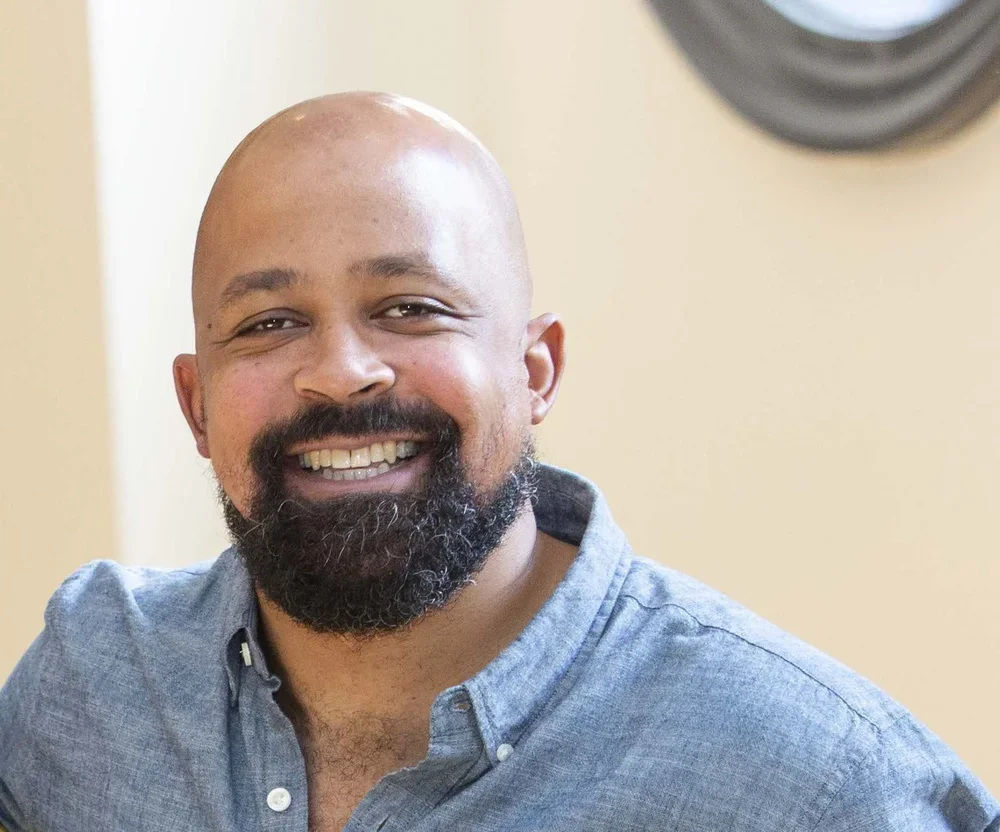
Malik Wilson is a Faculty Fellow at the Bahai Chair for World Peace at the University of Maryland. He works closely with Dr. Mahmoudi in matters relating to editorial concerns – publications, speeches, and publishing.